


Twill doesn't get talked about as much as linen or cotton rib, but it's quietly one of the most useful fabric weaves in a well-built wardrobe — durable, structured, and better suited to trousers than almost anything else.
What Makes Twill Different
Twill is defined by its weave, not its fibre — you can have cotton twill, wool twill, or blended twill. The weave itself creates a distinctive diagonal rib pattern, which is what gives twill fabrics their characteristic durability and slight sheen. Denim, technically, is a twill weave too — just a heavier one.
Why It Works So Well for Trousers
Structure — the diagonal weave holds its shape better than a plain weave, which is why twill trousers keep a clean line through a long day rather than bagging out at the knee.
Durability — the tighter weave construction makes twill more resistant to wear and tear than lighter, looser weaves — useful for trousers that get worn repeatedly.
Drape without stiffness — twill sits between the crispness of poplin and the softness of jersey, which is why it works for both structured office trousers and slightly more relaxed silhouettes.
Where You'll Find It in Our Catalog
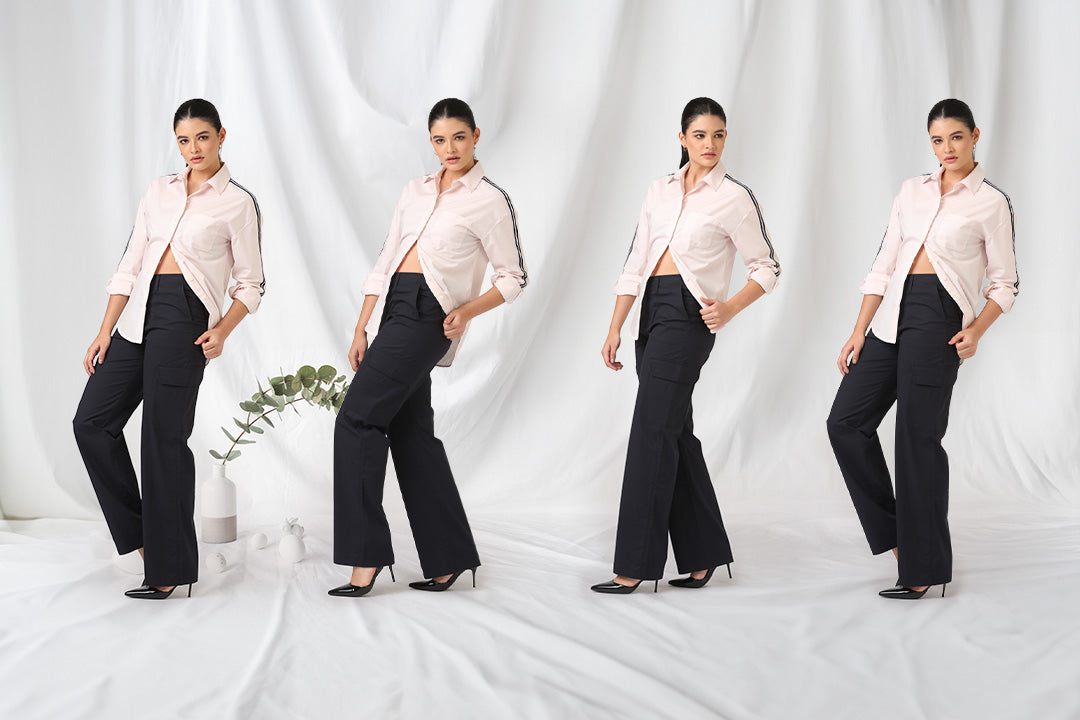
The Mandarin Twill Pant is a good example of what the weave is actually built for — a straight-fit chino silhouette that holds its shape from a morning meeting through an evening out, without needing to be ironed halfway through the day.
Caring for Twill
Twill is more forgiving than most fabrics — machine washable on a normal cycle, and it tends to resist wrinkling better than plain weaves. Avoid high heat when drying, since it can cause the weave to lose some of its structure over repeated cycles.
Twill vs Other Cotton Weaves
Compared to cotton poplin (crisper, flatter) or cotton slub (textured, casual), twill sits in the middle — structured enough for tailored pieces, soft enough for everyday wear. If you're building a work wardrobe and already have a linen and a rib piece, a twill trouser is often the missing structural piece.
Explore Twill at Jolene
You might also enjoy: Cotton vs Modal Fabric: What's the Difference?