


The Indian women's fashion market has never been more crowded. In 2026, you're choosing between legacy ethnic wear brands that have been around for decades, global fast fashion giants with stores in every major city, and a growing wave of homegrown direct-to-consumer labels that have built loyal followings entirely online.
The honest truth is that most brand comparison guides are either written by brands promoting themselves or by affiliate sites that rank based on commission rather than quality. This is our attempt at something more useful — a clear breakdown of who does what well, who's worth the money, and where the gaps are.
We're a brand, so we'll be transparent: we've included ourselves in this list and told you exactly what we do and don't do well. Judge accordingly.
The Brands Worth Knowing in 2026
For Ethnic and Traditional Wear
Fabindia remains the most trusted name in Indian ethnic wear for good reason. Their commitment to handcrafted textiles, natural fabrics, and traditional craftsmanship is genuine — not a marketing position. If you're building an ethnic wardrobe or want pieces that connect to India's textile heritage, Fabindia is the starting point. Their kurtas, sarees, and cotton separates are consistently well-made. Where they fall short: their western wear offering is limited, and if you want contemporary silhouettes for professional settings, you'll need to look elsewhere.
BIBA is the brand most Indian women grew up with, and it has earned that loyalty. Affordable, reliably good ethnic wear — salwar suits, kurta sets, festive pieces — at price points that make sense. Not a fashion brand in the editorial sense, but an honest, well-priced option for everyday ethnic dressing.
W for Woman bridges the gap between ethnic and western better than most. Their Indo-western pieces work well for professional settings where traditional ethnic wear might feel too formal and western wear might feel too casual. A solid choice for working women who want the comfort of Indian silhouettes with contemporary cuts.
For Western Wear and Global Brands
Zara is the benchmark for trend-led western wear in India. Their ability to move runway trends into affordable, wearable pieces quickly is unmatched. The quality-to-price ratio on basics is reasonable; the quality on trend pieces is less consistent. If you want to follow international fashion closely and don't mind pieces that may not last more than two seasons, Zara delivers. If you want to build a wardrobe that lasts, it has significant limitations.
H&M offers similar value at slightly lower price points. Their basics — t-shirts, simple dresses, denim — are genuinely good value. Their Conscious line makes an attempt at sustainability, though the wider fast fashion model limits how meaningful that commitment is. Good for filling wardrobe gaps affordably; less good as a foundation for a considered wardrobe.
Vero Moda and AND occupy the mid-market western wear space — contemporary, office-appropriate, reasonably priced. Both are solid choices for professional western wear without the premium pricing of higher-end labels. AND in particular has a strong reputation for workwear that translates well across Indian professional contexts.
For Homegrown Contemporary Labels
This is where the most interesting things are happening in Indian women's fashion right now. A generation of direct-to-consumer brands has emerged over the last five years that understand Indian body types, Indian climate, and Indian women's lifestyles better than global brands ever have.
Virgio has built a significant following for its sustainable, fabric-forward approach to contemporary western wear. Strong on linen and natural fabrics, clean silhouettes, and honest pricing. A genuine contender if you care about fabric quality and sustainability.
Andamen focuses on premium basics — particularly shirts and trousers — with an emphasis on fabric quality over trend. If you want investment-quality basics that last, Andamen is worth considering.
Creatures of Habit has carved a niche in comfortable, considered everyday dressing. Not trend-driven, which is both their limitation and their strength — their pieces age well precisely because they weren't chasing what was popular when they were made.
Where Jolene Fits
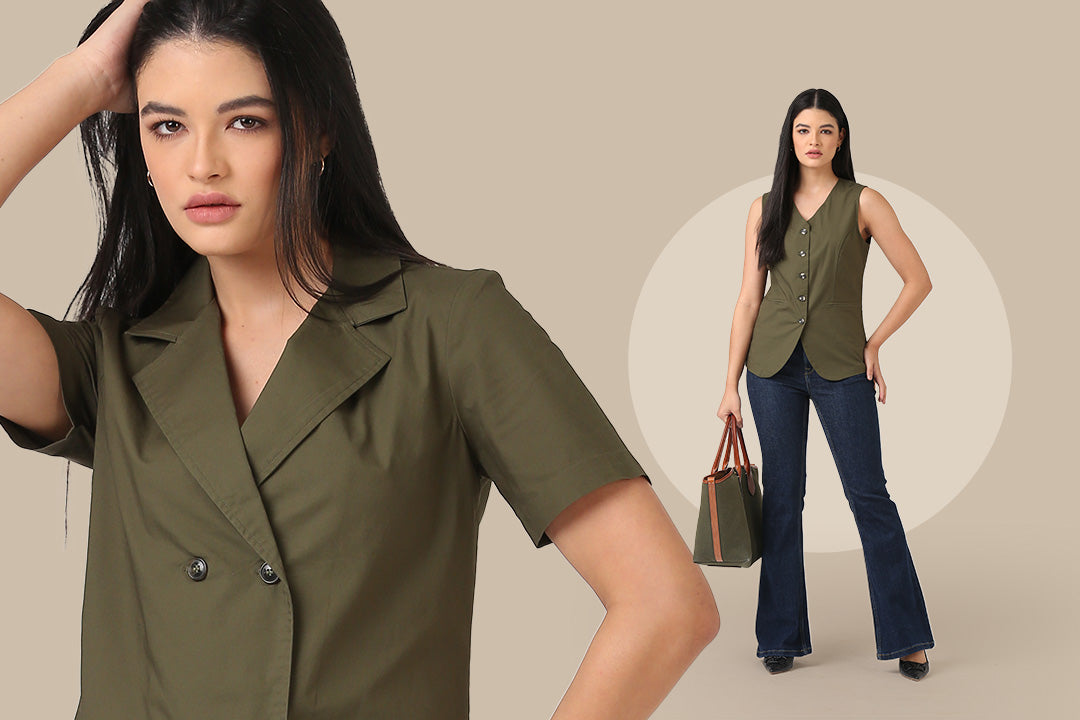
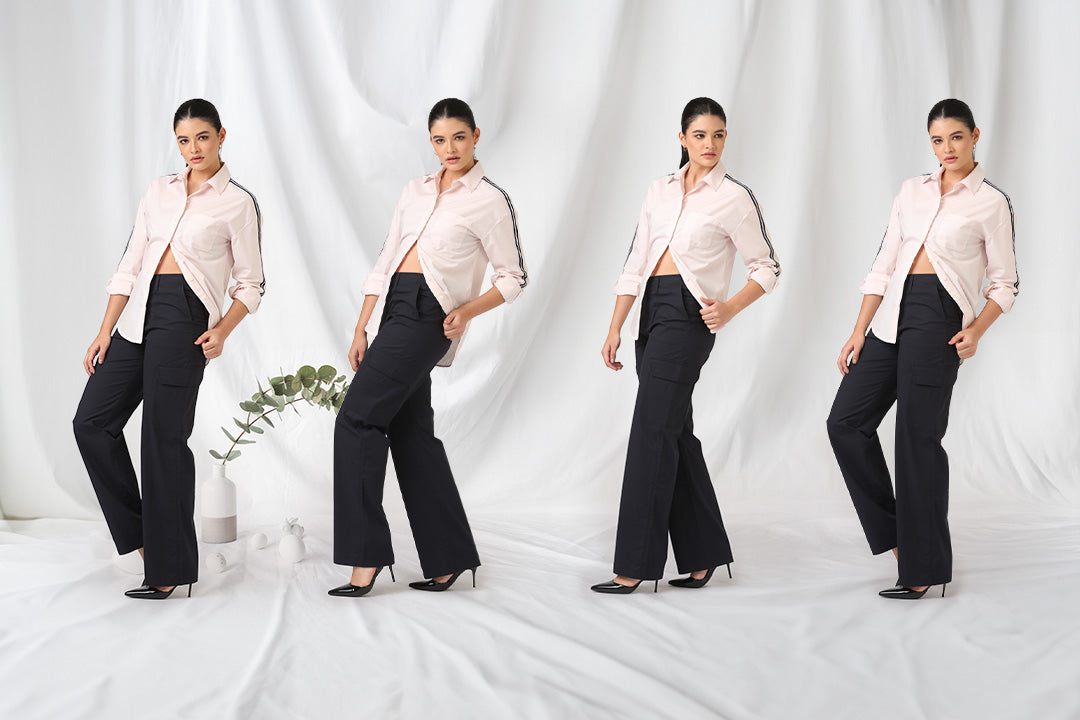
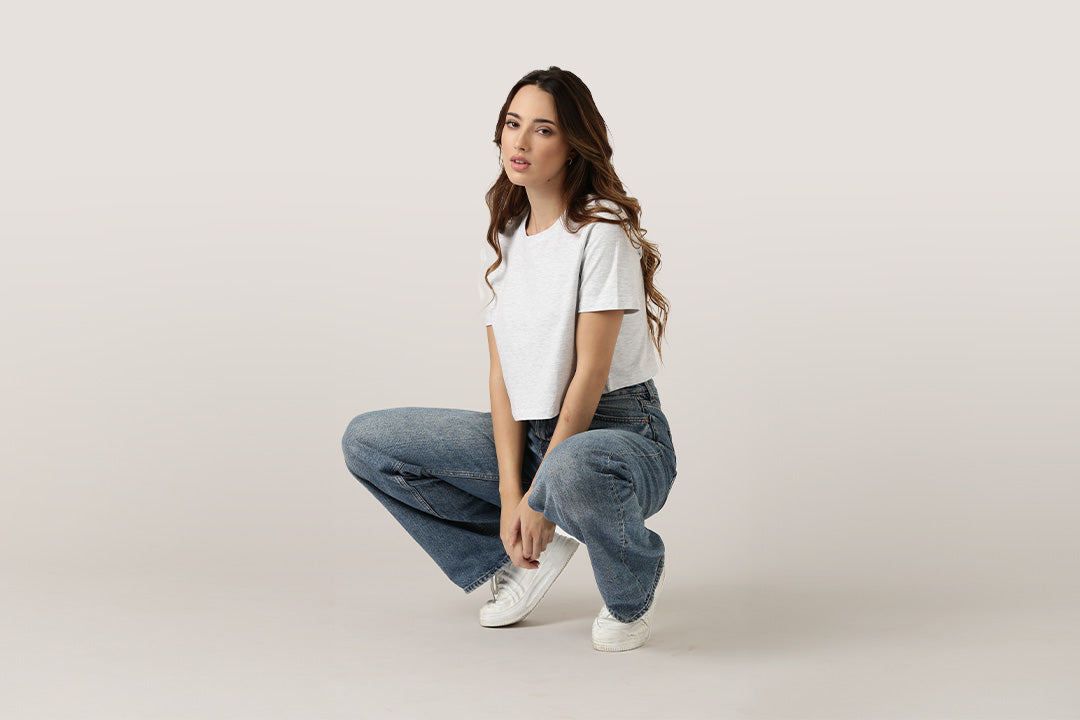
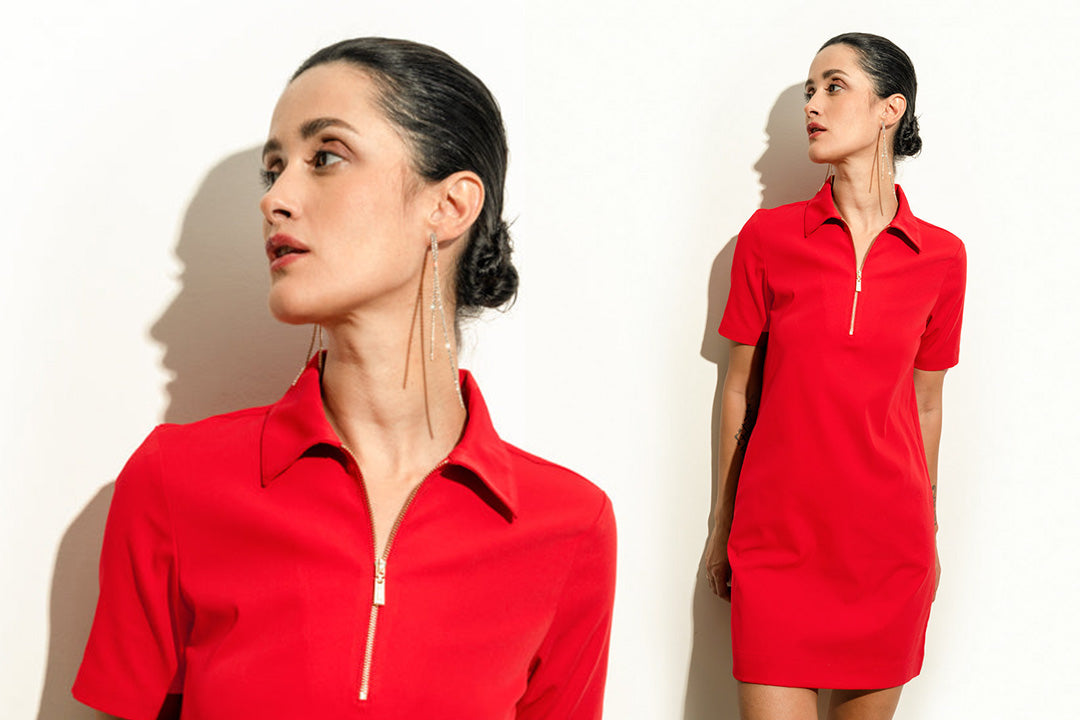
We make contemporary western wear for Indian women, with a specific focus on natural fabrics — linen, cotton, and cotton rib — at honest price points. Our sweet spot is the gap between fast fashion and premium pricing: pieces that are genuinely well-made from good fabrics, without the markup that comes with a luxury positioning.
What we do well: fabric selection, fit for Indian body types, and pieces that work across multiple occasions — the kind of wardrobe building blocks that reduce the "I have nothing to wear" problem rather than adding to it. Our linen collection is particularly strong, and if you're building a wardrobe for Indian summers, it's where we'd start.
What we're still building: our formal occasion wear is limited, our ethnic wear offering is minimal, and if you want trend-driven pieces that follow international runways closely, we're probably not the right answer. We're deliberate about what we make — which means there are things we don't make.
How to Think About Choosing a Brand
The most useful frame for choosing a clothing brand isn't "which brand is best" — it's "which brand is best for what I actually need."
A few questions that help:
What's the primary use case? Office, casual, occasion, ethnic, travel? Different brands serve different needs well.
How long do you want pieces to last? Fast fashion brands like Zara and H&M are built for two to three seasons. Homegrown fabric-focused brands are built for years. The price difference usually reflects this.
How important is fabric? If you run warm, live in a humid city, or simply want to feel comfortable in your clothes, fabric is the most important variable — more important than cut or colour. Brands that lead with fabric (Fabindia, Jolene, Virgio, Andamen) will serve you better in the long run than trend-first brands.
Are you building a wardrobe or filling gaps? Gap-filling is fine — Zara and H&M are good at it. But if you're trying to build a wardrobe that works consistently, invest in fewer pieces from brands that prioritise quality over trend.
The Bottom Line
There's no single best women's clothing brand in India in 2026 — the market is too diverse and your needs too specific for that kind of ranking to be useful. What's more useful: knowing which brand excels at what, and choosing accordingly.
For ethnic wear: Fabindia and BIBA remain the most reliable. For trend-led western wear: Zara and H&M remain the benchmark. For contemporary workwear: AND and W for Woman fill the gap well. For fabric-first contemporary dressing: Virgio, Andamen, and Jolene are worth your time.
The best wardrobe isn't built from one brand — it's built from knowing which brand does what well.
You might also enjoy: The Summer Capsule Wardrobe for Indian Women and Why Fabric Matters More Than Trends
Free shipping on all orders. 10% off your first Jolene piece with code NEW10. 7-day returns and exchanges on eligible items.